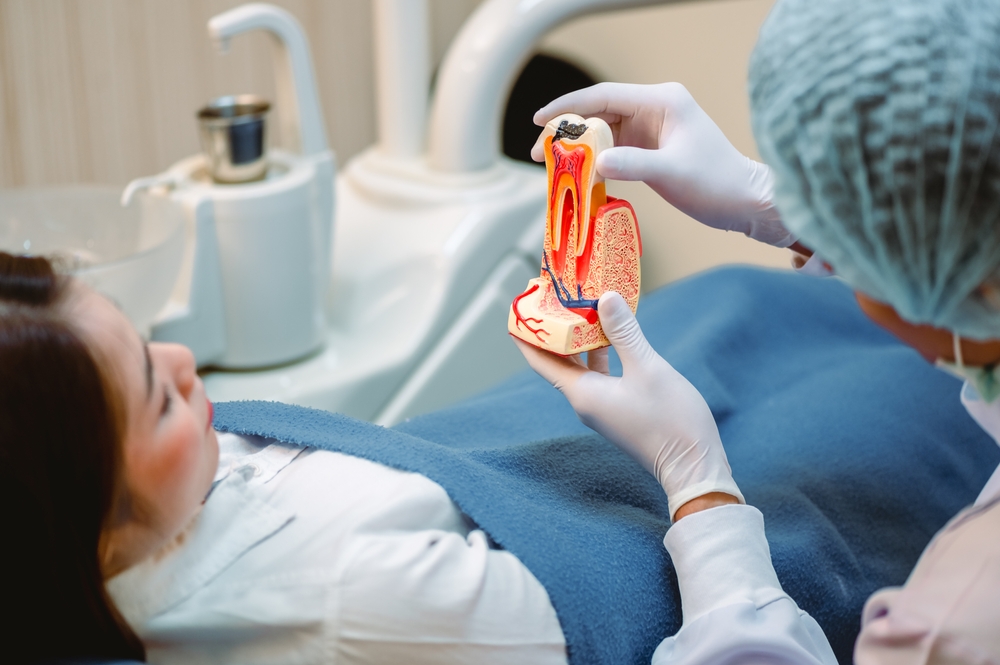



Understanding the Unique Names of Our Teeth
At Acreview Dental & Comox Valley Implants, your trusted dentist in Courtenay, we believe understanding your teeth helps you take better care of them. Our teeth have distinct names inspired by their shapes, functions, and even their resemblance to features in nature. Let’s explore why one of the most well-known types is called a “canine” tooth, and learn about other teeth in your mouth.
Why Are They Called Canine Teeth?
The term “canine” comes from the Latin word caninus, meaning “of a dog.” These pointed teeth are crucial in many mammals, including dogs and cats, for gripping and tearing food.
Humans have four canine teeth—two on the top and two on the bottom—located between the incisors and premolars. While not as pronounced as in carnivorous animals, human canines still help tear food, support speech, maintain lip structure, and keep your bite properly aligned.
Incisors: The Cutting Teeth
The teeth in front of your canines are called incisors. Adults have eight incisors—four on the top and four on the bottom. Their primary function is to cut food into smaller pieces, similar to scissors.
The name “incisor” comes from the Latin word incidere, meaning “to cut.” These teeth are essential for the first step of chewing and play a vital role in your overall oral function.
Premolars: Crushing and Grinding
Located just behind the canines are the premolars, also called bicuspids. Adults have eight premolars, evenly split between the upper and lower jaws.
Premolars have flat surfaces with ridges, perfect for crushing and grinding food before it reaches the molars. The name “bicuspid” reflects the two points, or cusps, present on these teeth.
Molars and Wisdom Teeth
At the back of the mouth are the molars, large teeth with broad, flat surfaces designed for grinding food into smaller, digestible pieces.
The third set of molars, commonly known as wisdom teeth, typically emerge in the late teens or early twenties. These teeth were historically associated with gaining wisdom. Modern jaw evolution often leaves insufficient space for wisdom teeth, which can lead to impaction and other dental issues.
Why Understanding Your Teeth Matters
Each type of tooth has a unique role in chewing, speaking, and maintaining oral health. From the dog-inspired canines to the grinding molars, the names of your teeth reflect their evolution and function.
If you’re looking for a dentist near you in Courtenay who can provide comprehensive dental care and guidance, Acreview Dental & Comox Valley Implants is here to help. Schedule your visit today and ensure your smile stays healthy and strong.
Getting here is simple — just follow us on Google Maps for the best route. 📍