


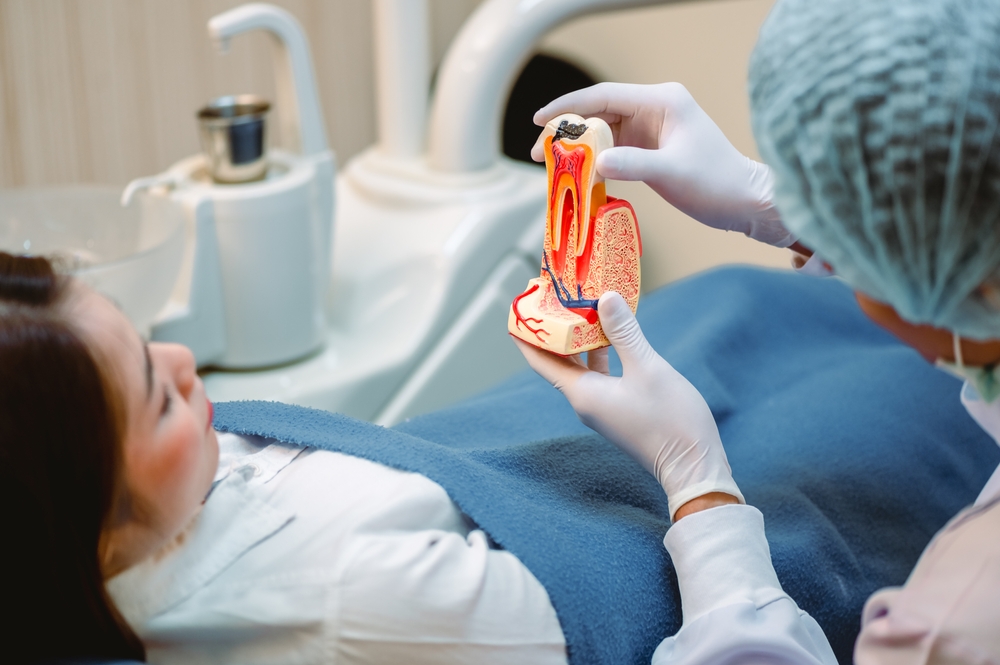
If you have been told you may need a root canal, it is normal to feel nervous. Most people picture pain, extended appointments, and discomfort that lasts for days. The truth is usually very different. At a trusted dental clinic in Courtenay, the goal is simple: stop the pain, save your teeth, and keep you comfortable.
A root canal is done when the inside of your tooth becomes infected or inflamed. This often occurs due to deep decay, cracks, or trauma. Searching for a root canal near you helps when the pain becomes hard to ignore.
Let’s walk through what it actually feels like from start to finish.
Before the Procedure
Most people come in because of constant tooth pain, sensitivity to hot or cold, or swelling in the gums. Some even notice that chewing hurts. In some cases, jaw pain may indicate a need for a root canal; the discomfort can spread toward the ear or the lower jaw. It can feel confusing at first.
Your dentist will take an X-ray to see what is happening inside the tooth. If the nerve is infected, a root canal is often the best way to remove the infection and protect the rest of your mouth.
Getting Numb
This is the part that many people worry about the most. The dentist will place a local anesthetic around the tooth. You may feel a quick pinch and slight pressure for a few seconds. After that, the area becomes numb.
Once numb, you should not feel pain during the procedure. You may feel pressure or movement, but not sharp discomfort. If you do feel anything, you can let your dentist know, and they will adjust.
During the Root Canal
After the tooth is numb, a small opening is made in the top of the tooth. This allows the dentist to reach the infected pulp inside.
The dentist then removes the infected tissue and cleans the inside of the tooth. You may hear dental tools in use. You may feel light pressure.
The inside of the tooth is then shaped and disinfected. Once it is clean, it is filled and sealed. This prevents bacteria from getting back in.
Right After the Procedure
Once the numbness wears off, it is normal to feel mild soreness. It can feel similar to having a deep filling done. The area around the tooth may feel tender for a few days, especially when you chew.
Over-the-counter pain relief is often enough to manage this. Most people return to work or regular activity the same day.
If the infection was causing severe pain before treatment, many patients feel relief almost immediately. That constant throbbing pain is often gone.
The Days That Follow
You may feel sensitive for a few days. This is part of the healing process. The tissue around the tooth needs time to settle down.
Avoid chewing on the treated tooth until it is fully restored. In many cases, a crown is later placed to strengthen the tooth and protect it in the long term.
If you’ve ever searched for a dentist near you because of sudden tooth pain, you know how stressful that moment can be. Getting the treatment done often brings peace of mind. You know the infection has been handled.
Common Myths About Root Canals
Many people think root canals are extremely painful. That idea comes from years ago. With modern techniques and anesthesia, the procedure itself is not what people fear.
Another myth is that removing the tooth is better. Saving your natural tooth is almost always the better choice when possible. A root canal allows you to keep your bite and avoid shifting teeth.
When to Call the Dentist
You should contact your dentist in Comox if you notice severe pain that does not improve, worsening swelling, or signs of infection such as fever. These issues are rare but need attention.
Pay attention to symptoms. Sometimes, when jaw pain indicates you need a root canal, it may not feel like it comes from a single, precise spot. If something feels off, it is worth getting checked.
Compassionate Care When You Need It
Tooth pain does not have to control your life. If you think something is wrong, book an appointment with Acreview Dental and Comox Valley Implants. The team will guide you through every step and make sure you feel informed and comfortable.
FAQs
Is a root canal more painful than a filling?
No. Most people say it feels similar to getting a filling. The area is thoroughly numbed before treatment starts.
How long does a root canal take?
The duration of the appointment depends on which tooth is being treated and the complexity of the roots. Front teeth are usually simpler, while back teeth may take more time.
Will I need a crown after a root canal?
In many cases, yes. A crown protects the treated tooth and helps it last longer.
How do I know if I need a root canal?
Severe tooth pain, lingering sensitivity, swelling, or jaw pain that indicates you need a root canal are common signs. An exam and X-ray confirm it.